
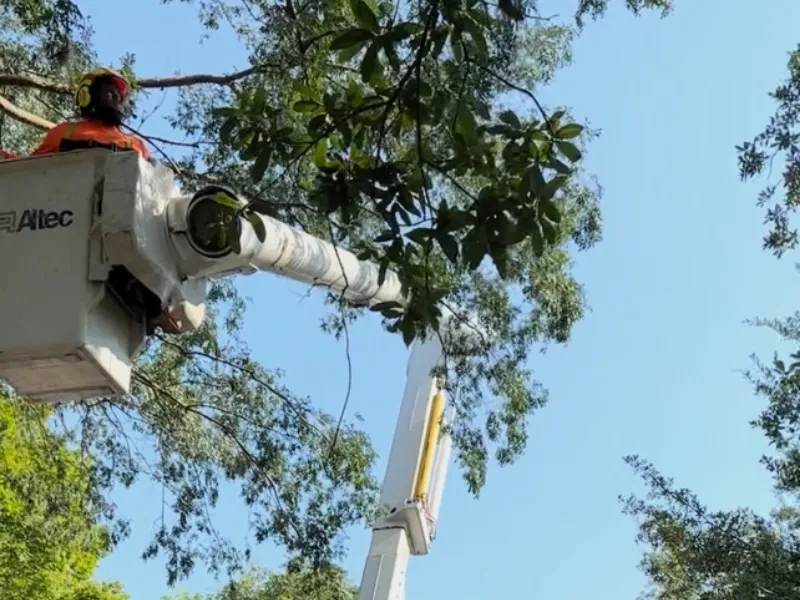
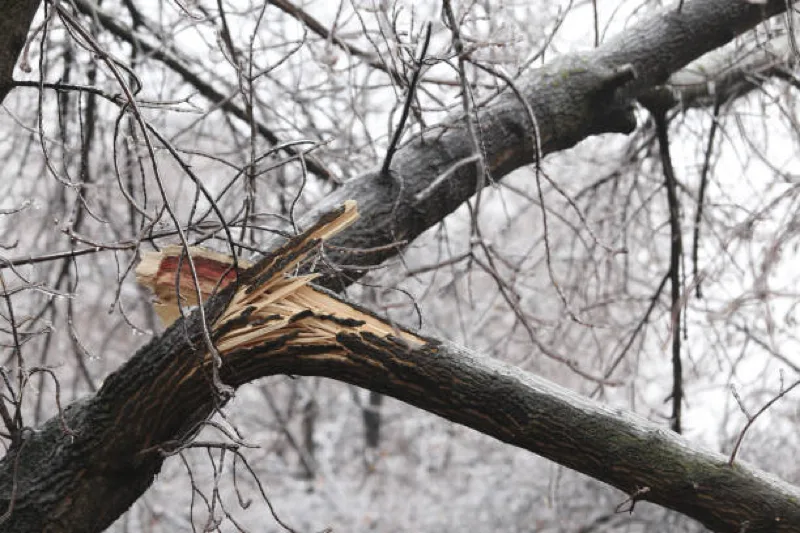
Winter brings unique challenges for trees, often creating emergencies that threaten safety and property. Heavy snow, ice, and strong winds can make weak branches dangerous and compromise even the sturdiest trees. Knowing when to call a professional arborist can prevent accidents, reduce property damage, and protect your landscape during harsh winter.
American Forestry Services, LLC, based in Walker, Louisiana, specializes in helping homeowners and businesses handle winter tree emergencies. With an A rating from the Better Business Bureau, we offer expert services like tree trimming, debris removal, and crane services to keep your property safe year-round.
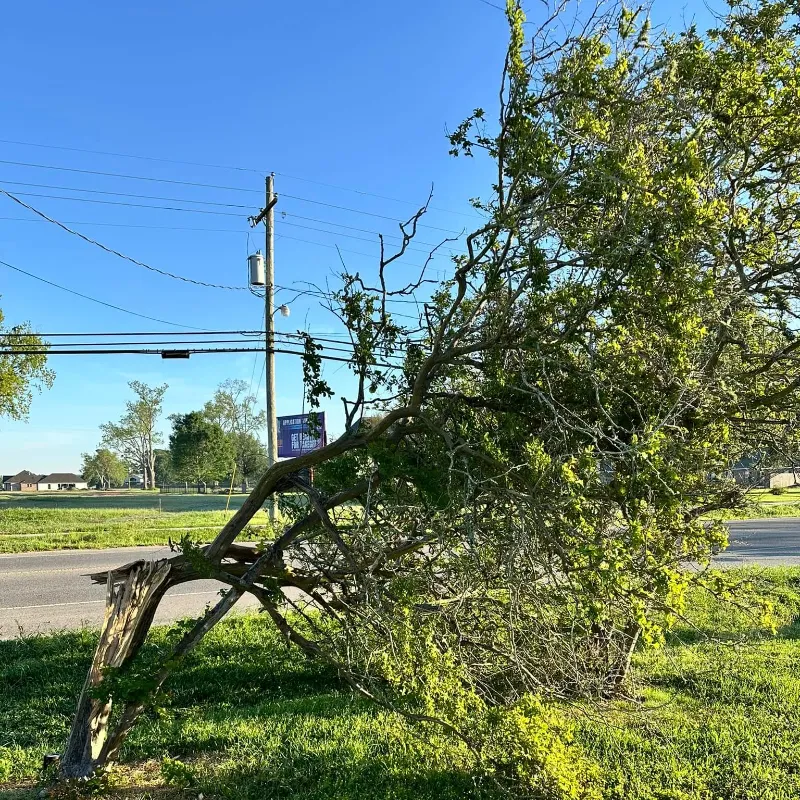
Recognizing Common Winter Tree Emergencies
Winter weather can significantly stress trees, making them prone to failure. Understanding what constitutes a tree emergency will help you act quickly and prevent bigger problems.
Key Takeaways
- Winter brings specific tree emergencies in Louisiana: ice loading on weak limbs, freeze damage on sensitive species, and wind damage from cold fronts.
- Most winter tree emergencies are preventable — a fall pruning plus risk assessment catches structural weak points before they fail.
- Call a certified arborist immediately for split trunks, hanging limbs over structures, partially uprooted trees, and freeze-killed limbs threatening property.
- Don’t try DIY removal of large damaged limbs — winter ground is often soft and slippery, and the limb’s structural state is unpredictable.
- After any winter weather event, do a 5-minute visual walk-around to spot new damage before it becomes urgent.
Storm Damage: A Silent Threat
Heavy snow and ice can put immense pressure on branches, causing them to crack or break. These weakened branches can fall without warning, damaging roofs, vehicles, or fences. Strong winter winds can uproot trees entirely, especially in saturated soil. When these situations occur, contacting a professional for tree removal or stabilization is essential.
Properly addressing storm-damaged trees can prevent further harm. Whether the issue is a fallen branch or an unstable trunk, professional services ensure safety and protect your property.
Leaning Trees and Root Damage
A tree that begins to lean after a storm or snowmelt may have compromised roots. This instability significantly increases the risk of the tree falling, especially during the next strong wind. In such cases, calling in professionals to assess the risk and perform tree cabling and bracing can save the tree and safeguard your surroundings.
Early detection and action can often mitigate these emergencies, but what about preventing them in the first place?

Preventing Winter Tree Emergencies Before They Happen
While winter weather can’t be controlled, preparing your trees before the season starts can reduce the likelihood of emergencies. Regular maintenance is the key to healthy, resilient trees.
The Importance of Tree Health Inspections
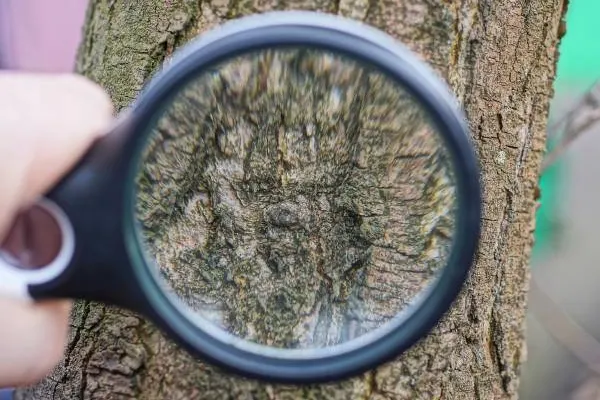
A professional tree health inspection is one of the best ways to identify potential risks before winter arrives. Certified arborists can detect disease, decay, or structural weaknesses that may make a tree vulnerable during winter storms. Catching these problems early prevents emergencies and keeps your trees thriving.
Healthy trees are more likely to withstand harsh weather. Pairing inspections with strategic maintenance further minimizes risks.
Pruning for Winter Resilience
Pruning is another critical step in preparing for winter. Removing dead or weak branches reduces the chance of breakage under the weight of snow or ice. Expert tree pruning shapes your trees for strength, ensuring they remain beautiful and safe throughout the season.
With proper pruning and inspections, your trees are better prepared. However, some situations require additional measures to protect trees with unique vulnerabilities.

Supporting At-Risk Trees During Winter
Some trees may require extra care to withstand winter’s challenges. Structural issues, proximity to property, or historical significance may make additional support necessary. Louisiana is home to some truly remarkable trees, with the majestic oak trees of White Castle symbolizing the state’s natural beauty and history. Learn more about these iconic trees and the importance of preserving them for future generations, especially when they face structural or environmental challenges.
Cabling and Bracing for Stability
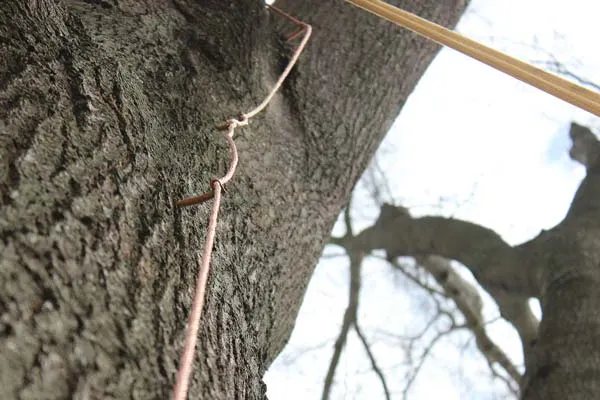
When trees show signs of structural weakness, tree cabling and bracing can provide the necessary reinforcement. This technique involves installing flexible cables or rigid braces to reduce stress on weakened areas. Stabilizing the tree can avoid catastrophic failures during storms or heavy snow.
This proactive measure often saves trees that would otherwise need removal, preserving both their beauty and the safety of your property.
Fertilization for Strength
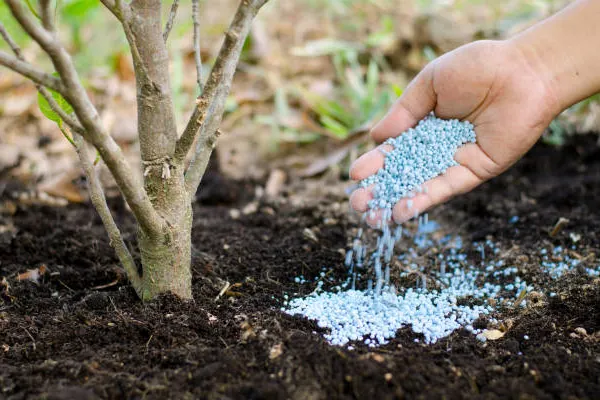
Winter can be hard on trees, especially those already under stress. Strengthening your trees with tree fertilization or shrub fertilization helps them resist cold damage and recover more quickly in the spring. Professional fertilization improves root health and overall resilience.
Even with these precautions, emergencies can still happen. When they do, quick action is essential.
Responding to Winter Tree Emergencies
Despite the best preparation, winter storms can sometimes cause unexpected damage. Knowing how to respond to emergencies ensures your property remains safe.
When to Call for Tree Removal
If a tree is leaning dangerously, has large broken branches, or is interfering with utility lines, it’s time to call for professional tree removal. Attempting to remove a damaged tree yourself can be extremely dangerous, especially in icy conditions or if the tree is near power lines.
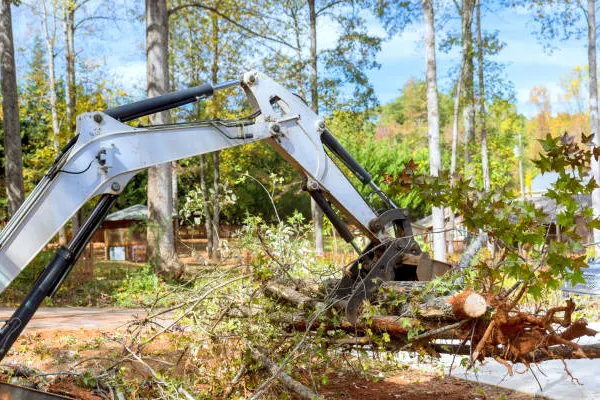
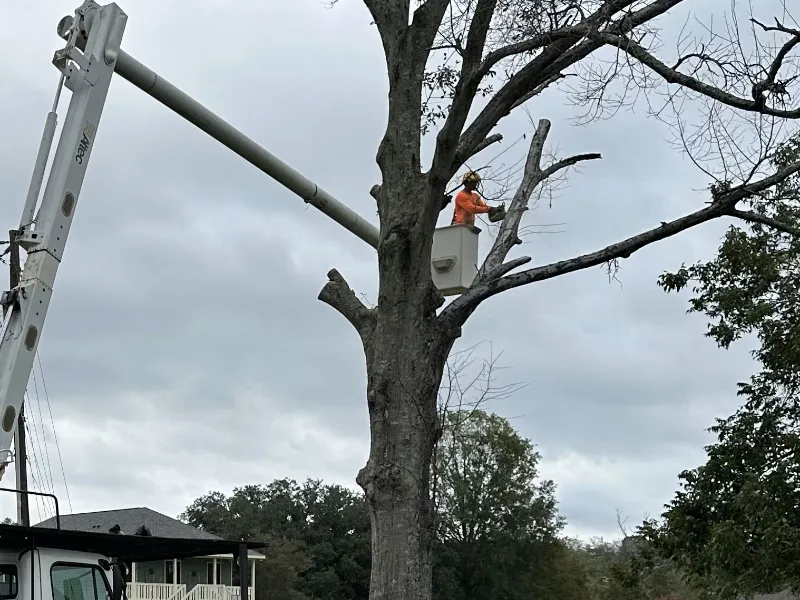
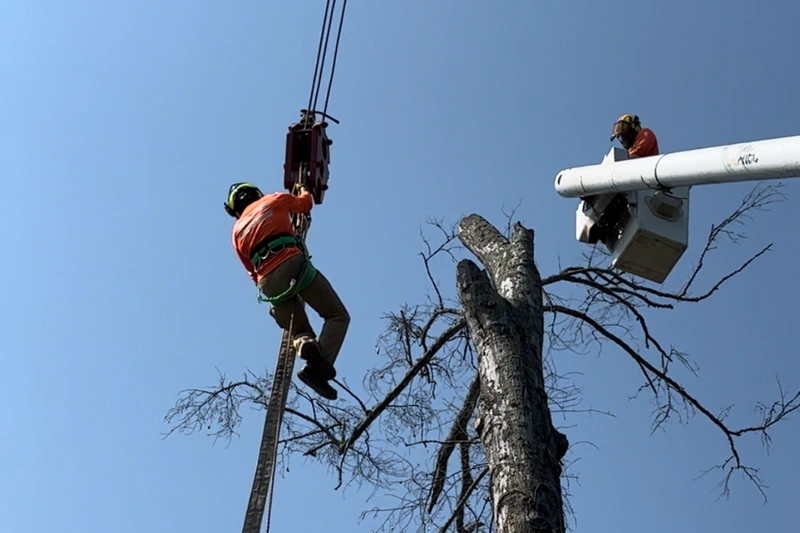
American Forestry Services offers specialized crane services to safely handle even the largest tree removals. Their team ensures efficient removal without further damage to your property.
Clearing the Aftermath: Debris Removal
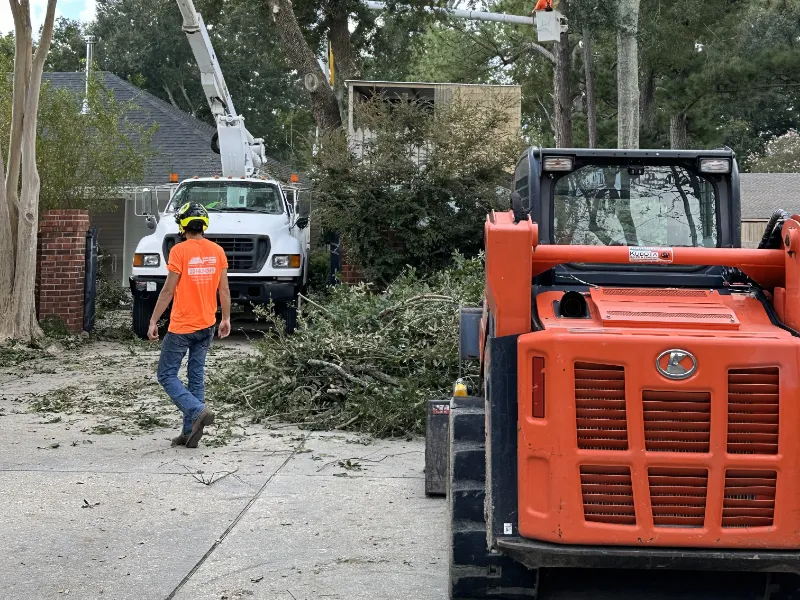
Once the immediate danger is handled, leftover debris can pose additional risks. Fallen branches, stumps, and uprooted trees must be cleared to restore safety and accessibility. Professional debris removal not only cleans up your property but also prevents pests and decay from setting in.
When the storm has passed, and the cleanup is complete, it’s time to consider the next steps for maintaining a safe and beautiful landscape.

Preparing for a Safer Tomorrow
Winter tree emergencies don’t have to be inevitable. Investing in regular maintenance and professional services can protect your property and enjoy peace of mind during even the harshest winters.
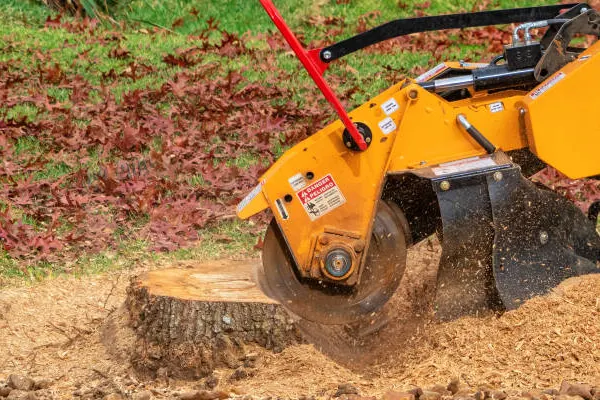
American Forestry Services offers a full range of services to keep your trees healthy and safe, from tree trimming and stump grinding to lightning protection. Our experienced team is ready to handle emergencies, provide preventive care, and ensure your trees thrive year-round.
For expert assistance with all your tree care needs, contact American Forestry Services today.
Common Questions About Winter Tree Emergencies
Homeowners across the Greater Baton Rouge area call us most often during a winter storm or the cold snap that follows it. The answers below cover when to call, what the crew does first, and how to spot the warning signs before a tree fails.
When should I call a tree service for winter tree damage?
Call immediately for: split trunks or major branch failures, any limb hanging over a structure or driveway, partially uprooted trees, large dead limbs that have come loose but haven’t fallen, and any visible damage near power lines (never approach those — call your utility first). Smaller cosmetic damage can wait, but get a certified arborist assessment within a few days to confirm no hidden structural issues.
Can a freeze kill my trees in Louisiana?
Yes, particularly for cold-sensitive species like citrus, banana, and some palms. Established native trees (oaks, pecans, cypress) tolerate Louisiana freezes well, but younger trees and tropicals are vulnerable. After a hard freeze, wait until spring before doing any cutback — what looks dead in February sometimes pushes new growth by April.
How do I prepare my trees for winter weather in Louisiana?
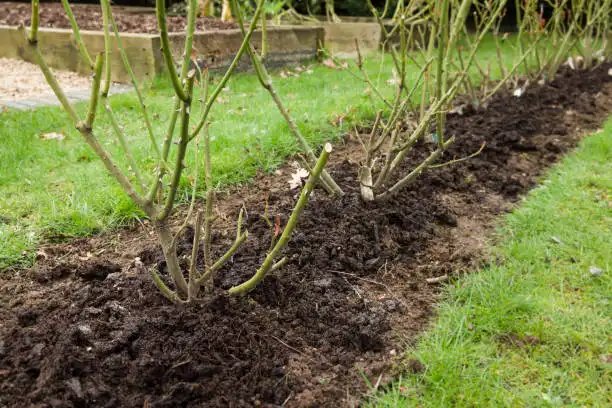
Schedule a fall pruning to remove dead, diseased, and weak limbs that ice or wind could bring down. Apply 2–4 inches of mulch around the root zone (but not touching the trunk) to insulate roots. Water deeply before a hard freeze if soil is dry. For frost-sensitive ornamentals, wrap trunks or use frost cloth on cold nights. Most importantly: have a certified arborist inspect any mature trees you’re unsure about.
What should I do if a tree falls on my house during a winter storm?
Get everyone out of the affected rooms first. Don’t try to move the tree or assess damage from underneath. Call your insurance company to start the claim and document the damage with photos from a safe distance. Call a tree service equipped for emergency response — American Forestry Services offers 24-hour emergency service across the Baton Rouge area. Keep electricity off in the affected area until a professional clears the structure.
Do I need emergency tree service if a branch falls but no damage was done?
Probably not immediately, but it’s a warning sign. If a tree dropped a limb in a storm, other limbs on the same tree may be at risk. Schedule a non-emergency assessment with a certified arborist within a week — they can identify the structural issue that caused the failure and address it before something bigger comes down.