


Nature’s Masterpieces in White Castle
White Castle, Louisiana, is a treasure trove of natural beauty, and its stunning oak trees, particularly the live oaks (Quercus virginiana), stand as timeless symbols of resilience and grandeur. These live oaks (Quercus virginiana) are celebrated for their sprawling canopies and gnarled branches draped in Spanish moss, making them iconic in the Southern landscape and offering both aesthetic and ecological value.

Key Takeaways
- White Castle’s live oaks (Quercus virginiana) are among Louisiana’s most iconic trees — long-lived, hurricane-resistant, ecologically important.
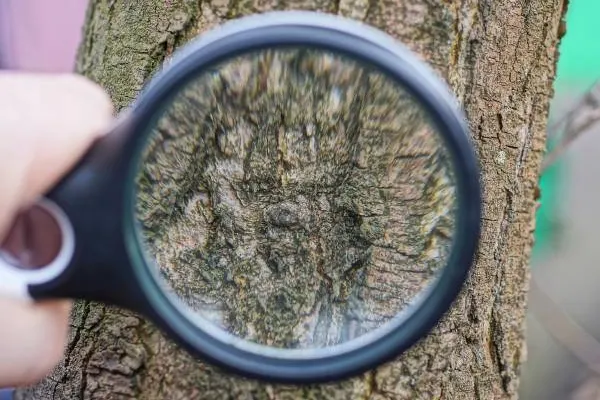
- Live oak care in Louisiana centers on selective pruning (never topping), root zone protection, and disease monitoring (especially oak wilt).
- Mature live oaks often need lightning protection systems — they’re the most-struck tree species in Louisiana storms.
- Spanish moss on live oaks is harmless; it’s an air plant, not a parasite — leave it alone unless it’s blocking sunlight to the canopy.
- A certified arborist familiar with Louisiana live oaks should inspect mature trees every one to two years.
Historical Significance
The oaks at the historic Nottoway Plantation, one of the South’s most renowned antebellum homes, are living testaments to Louisiana’s rich history. With their centuries-old branches, these trees have witnessed and survived numerous changes, remaining steadfast guardians of the landscape.
Environmental Importance
Oak trees are more than just beautiful—they are crucial in supporting biodiversity. They provide habitats for countless wildlife species, stabilize soil, and improve air quality. Notably, the live oaks of White Castle thrive in Louisiana’s warm, humid climate, demonstrating their resilience and adaptability. Understanding and preserving these ecological benefits is a responsibility we all share.
Diverse Oak Species in Louisiana
In addition to live oaks, Louisiana is home to other oak species, including the White Oak (Quercus alba), Nuttall Oak (Quercus texana), and Shumard Oak (Quercus shumardii). Each species contributes unique qualities to the state’s arboreal diversity, enhancing the environment and local landscapes’ aesthetics.
Caring for Oak Trees
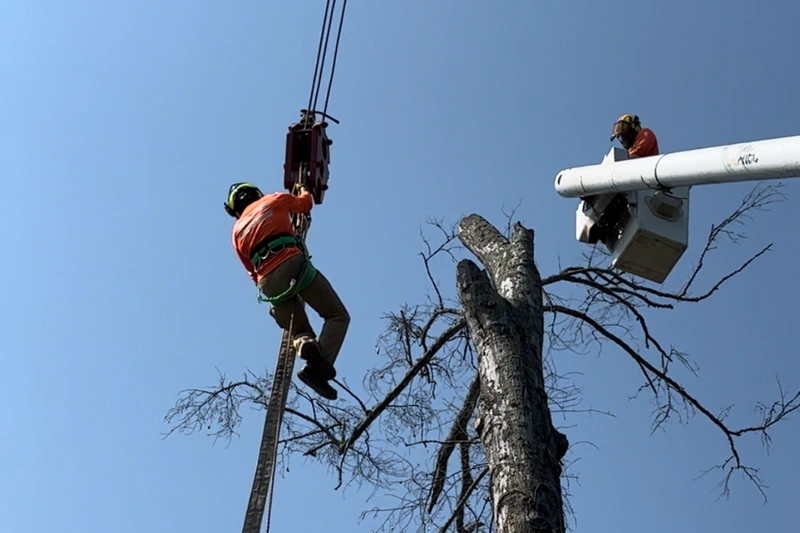
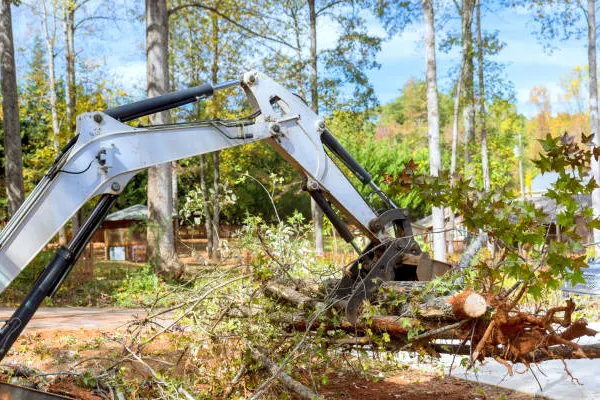
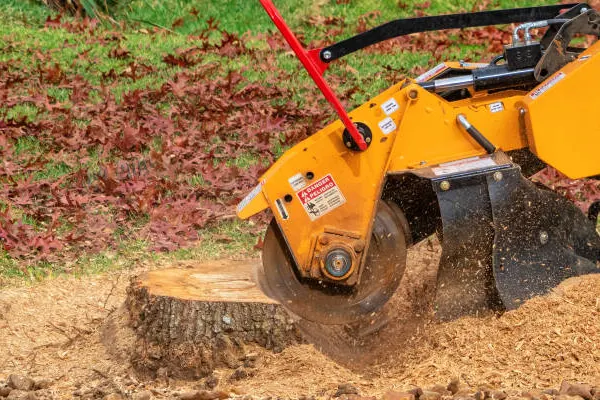
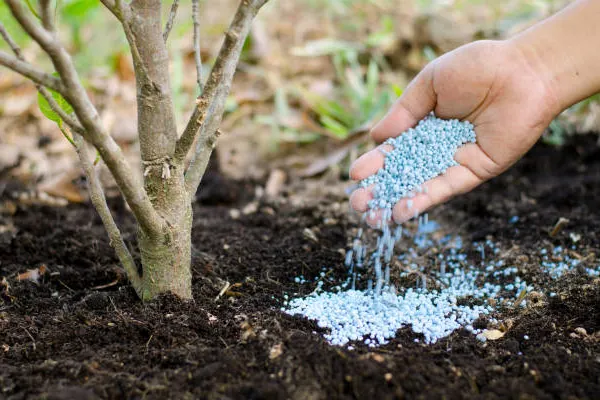
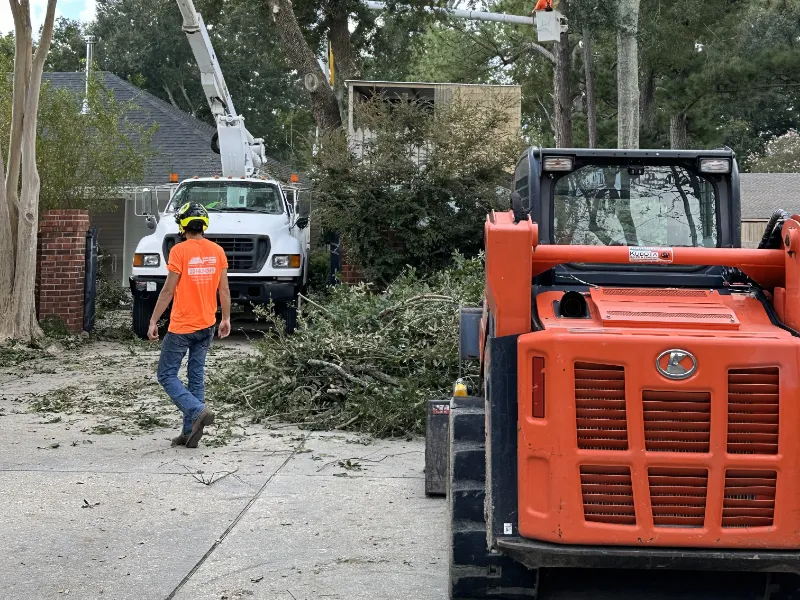
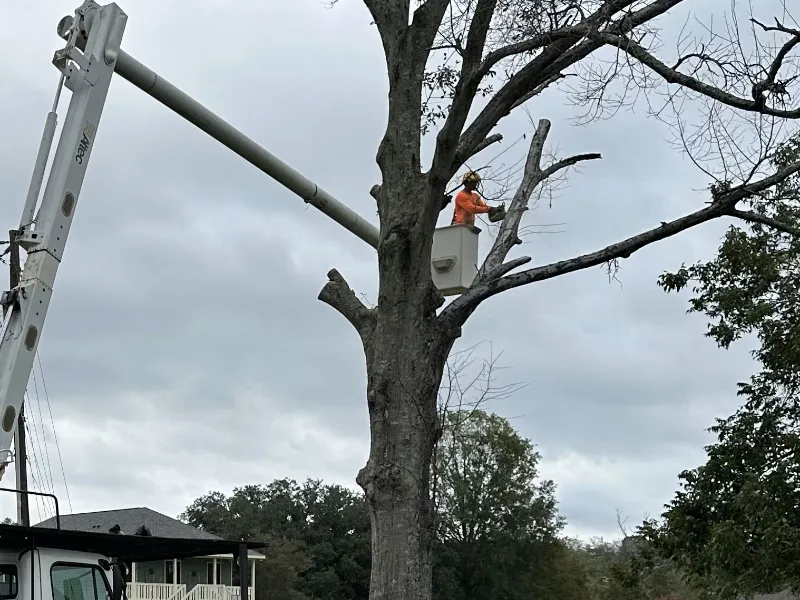
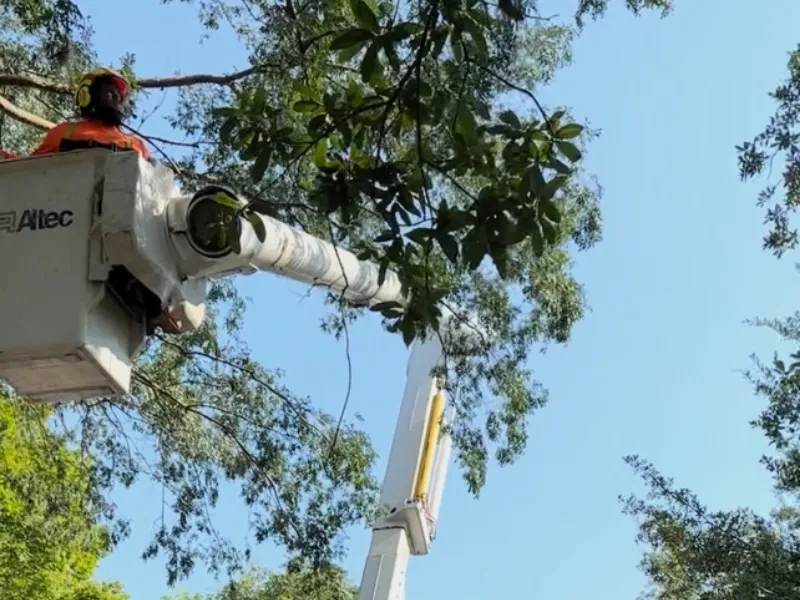
At American Forestry Services LLC, we understand the importance of preserving these natural marvels. Our team offers professional tree care services, including pruning, disease management, and fertilization, to ensure your oak trees remain healthy and vibrant for future generations. Learn more about our tree services for White Castle’s homes and businesses.
If you’re in White Castle, don’t miss the chance to visit and marvel at the majestic oak trees. They’re not just trees but living monuments to Louisiana’s natural and cultural heritage and a must-see for any nature enthusiast or local resident.
For professional tree care and forestry services, contact American Forestry Services LLC today! Fill out the form below to get a free estimate:
Common Questions About White Castle’s Live Oaks
Property owners in White Castle and the surrounding Iberville Parish communities ask us about their live oaks more than any other tree. The answers below cover life expectancy, common stressors, and when an old oak needs an arborist’s evaluation.
How long do live oak trees in Louisiana live?
Healthy live oaks (Quercus virginiana) in Louisiana commonly live 200–300 years, with some heritage specimens — like the famous oaks at Plantation Oaks and the Live Oak Society’s registered trees — exceeding 500 years. The species is built for the Gulf Coast environment, surviving hurricanes, flooding, and salt spray that kills most other oaks.
Is Spanish moss harmful to live oak trees?
No. Spanish moss (Tillandsia usneoides) is an epiphyte — an air plant that uses the tree for support but takes its nutrients from rain and air, not from the tree itself. It’s not a parasite. Heavy moss loads can slightly shade lower canopy areas, but healthy live oaks tolerate it without harm. Leave it unless it’s actively blocking a critical area.
When should you prune a live oak in Louisiana?
Live oaks should only be pruned during the dormant season — generally November through January in Louisiana. Pruning between April and July dramatically increases the risk of oak wilt transmission, since the disease’s beetle vectors are most active in warm months. Always work with a certified arborist who knows Louisiana oak wilt timing rules.
How do you protect a live oak from lightning?
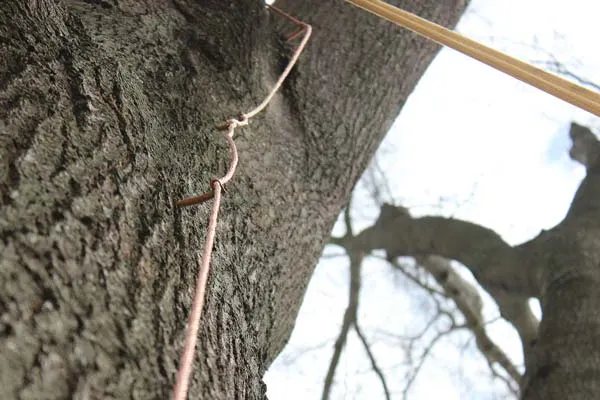
Lightning protection systems for live oaks use copper conductors run from the highest branches down to ground rods placed beyond the root zone. Installed correctly, the system gives a lightning strike a low-resistance path around the tree rather than through it. American Forestry Services is one of the few Baton Rouge–area arborists specializing in tree lightning protection.
What’s the most common threat to live oaks in Louisiana?
Oak wilt is the most serious disease threat, followed by root damage from construction and soil compaction. Storm damage from hurricanes is common but rarely kills established live oaks outright. The single most common threat is human-caused: improper pruning (including tree topping) and trenching/grading inside the root zone, both of which weaken trees over years.