


Trees are indispensable assets to our environment, providing beauty, shade, and ecological benefits. However, the health and stability of trees can sometimes be compromised, posing risks to property and personal safety. Ensuring tree safety and health through comprehensive risk assessments is crucial for maintaining the well-being of both trees and the areas surrounding them.
What is a Tree Risk Assessment?
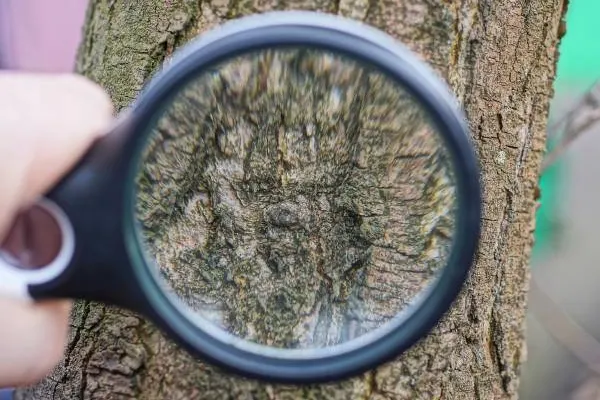
A tree risk assessment is a detailed evaluation conducted by certified arborists to determine trees’ stability and health. This process involves examining trees for signs of distress, disease, or structural weaknesses that might pose a threat to people, buildings, and other structures nearby.
Why are Tree Risk Assessments Necessary?
Prevent Property Damage: Weak or diseased trees can fall or lose limbs, causing significant damage to homes, vehicles, and other property. Early detection through risk assessments allows for the timely management of such risks.
Ensure Personal Safety: Trees compromised by disease or damage can be hazardous. By identifying these risks early, arborists can mitigate dangers, ensuring the safety of residents and passersby.
Maintain Tree Health: Regular assessments help spot health issues before they escalate, allowing arborists to treat diseases or infestations effectively and thus prolonging the life of the tree.
Case Study: The Saved Elm
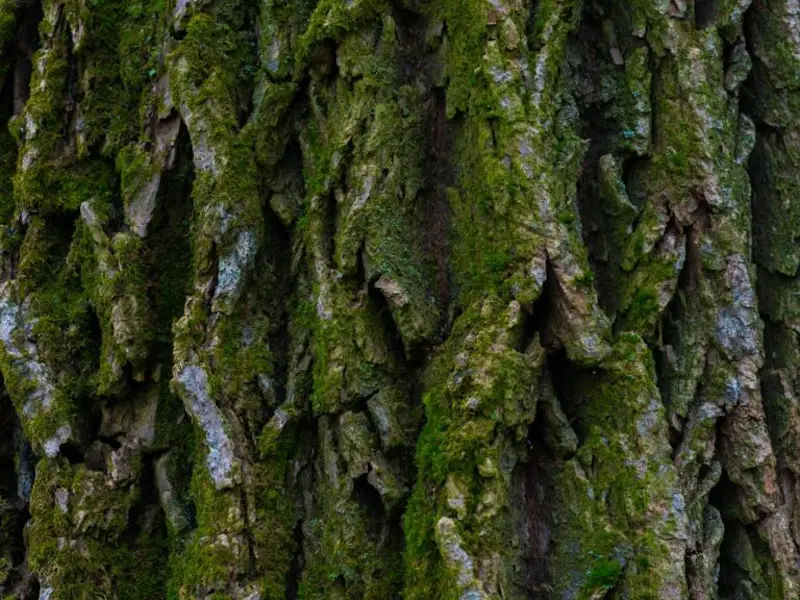
Consider the case of a century-old elm in a busy public park in Baton Rouge. Our team at American Forestry Services LLC was called to assess the tree after some park visitors noticed unusual leaf discoloration. Upon a thorough risk assessment, our arborists discovered early signs of Dutch elm disease. Immediate intervention was implemented, treating the disease and pruning the affected areas, which not only saved the tree but also prevented the disease from spreading to nearby elms.

What Does a Tree Risk Assessment Involve?
During an assessment, arborists look for several indicators, including:
Structural Integrity of Branches and Trunk: Arborists examine the branches and trunk for signs of cracks, splits, or other structural weaknesses that could lead to limb failure or tree collapse.
Signs of Diseases or Pest Infestations: Trees can suffer from various diseases and pests. Certified arborists identify symptoms such as discolored leaves, unusual growth patterns, and the presence of harmful insects.
Soil Condition and Root Health: The condition of the soil and roots is critical for tree stability. Arborists assess the soil composition, root spread, and any signs of root rot or other issues.
Potential Impact of the Tree’s Location: Trees located near buildings, power lines, or other structures require special consideration. Arborists evaluate how the tree’s location may affect its risk potential and provide recommendations accordingly.
The Comprehensive Approach to Tree Health
A thorough tree risk assessment involves a combination of visual inspection and advanced diagnostic tools. Arborists often use techniques such as:
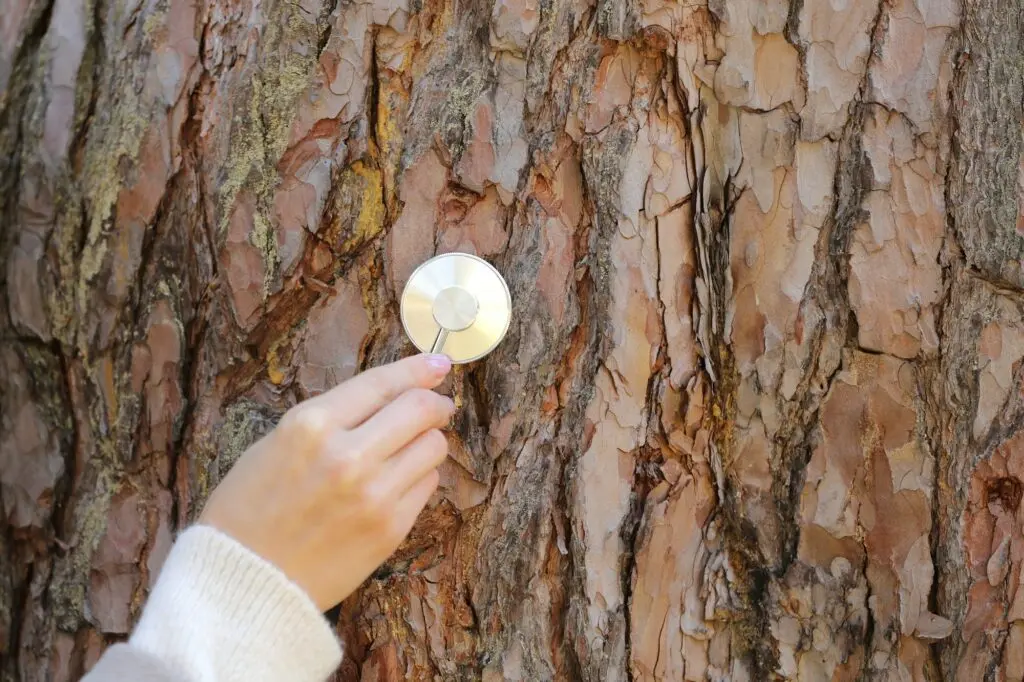
Resistograph Testing: This tool measures the resistance of wood to drilling, helping to identify internal decay or cavities. If decay is detected, our Tree Cabling and Bracing Services can help stabilize the tree and prevent further damage.
Tomography: Similar to a medical CT scan, tree tomography creates a detailed image of the tree’s internal structure, revealing hidden weaknesses. For trees at risk, consider our Tree Pruning Services to remove weakened limbs and ensure the health of your trees.
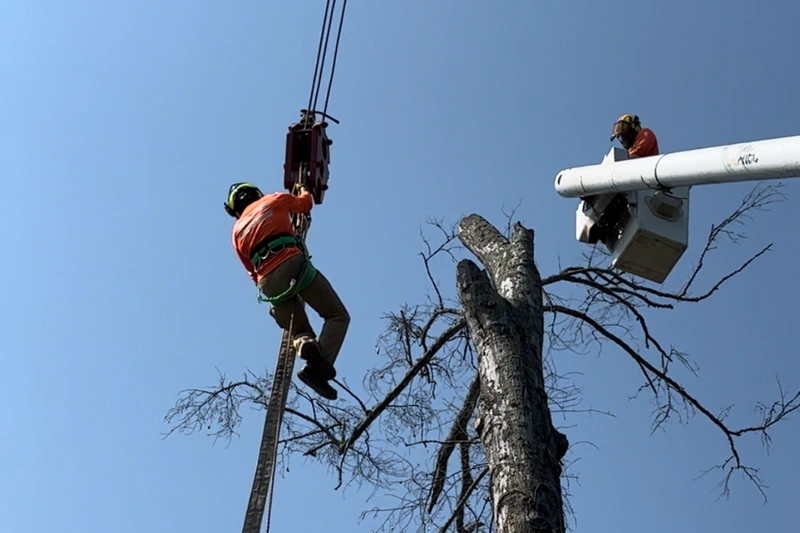
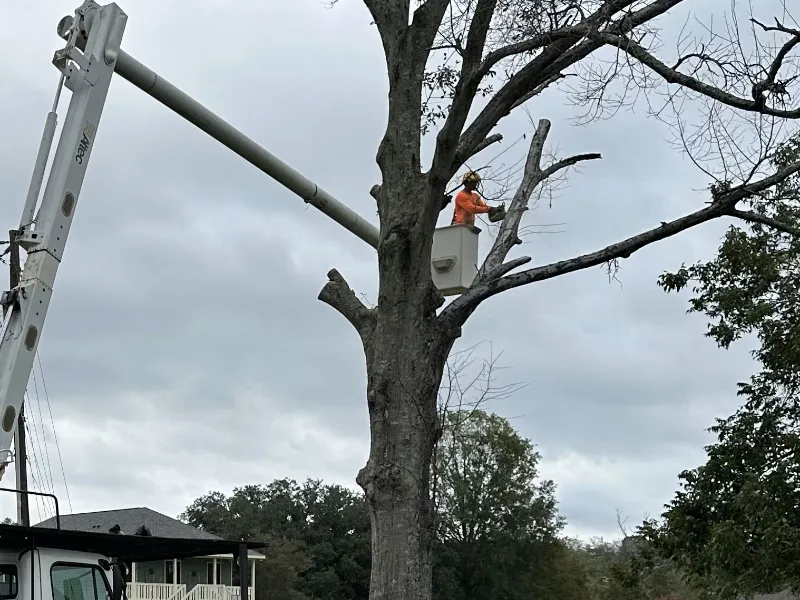
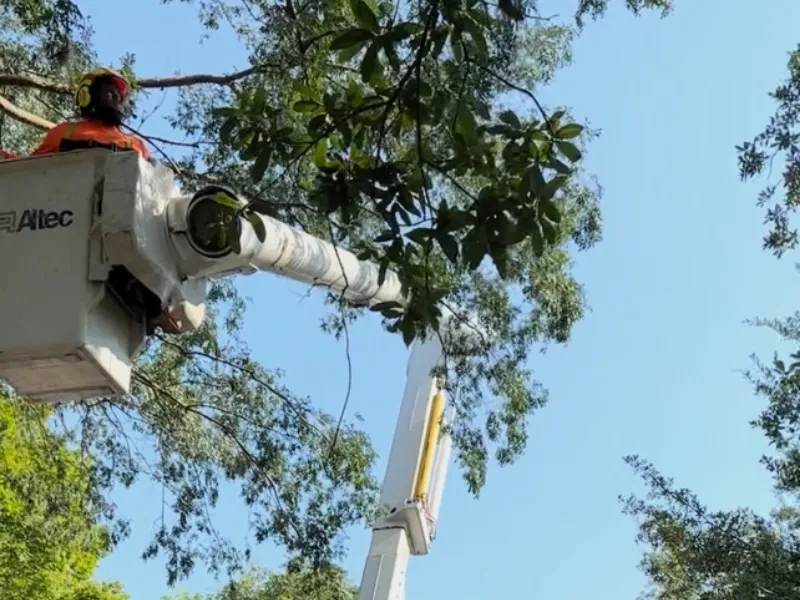
Aerial Inspection: Arborists may climb the tree or use drones to inspect the upper canopy, ensuring a complete evaluation of the tree’s condition. After identifying potential hazards, our Tree Removal Services are available to safely remove trees that threaten your property.
The Role of Technology in Modern Tree Risk Assessments
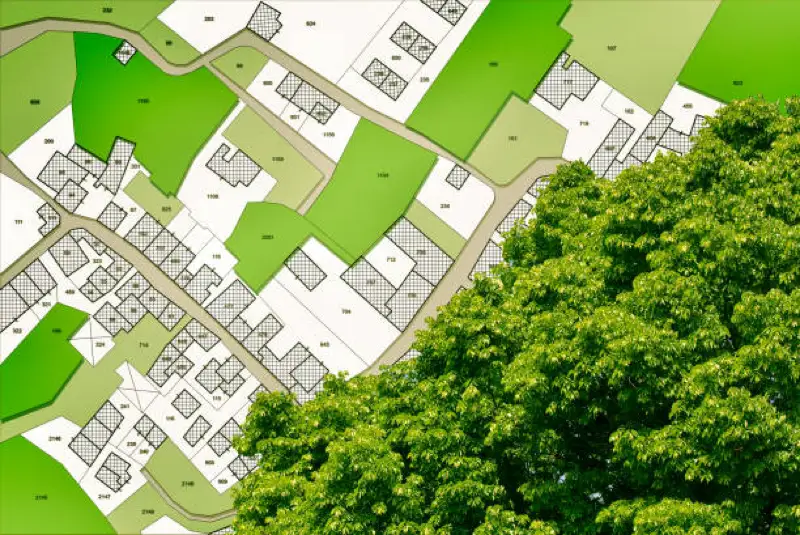
Advancements in technology have significantly improved the accuracy and efficiency of tree risk assessments. Tools such as Geographic Information Systems (GIS) allow arborists to map and monitor trees in large areas, providing valuable data for long-term tree management.

GIS Mapping: Arborists can use GIS to create detailed maps that highlight tree locations, health status, and risk factors. This information is crucial for urban planning and managing green spaces effectively.
Digital Databases: Modern arborists maintain digital databases that record trees’ health histories and risk assessments. This allows for easy tracking of changes over time and ensures timely interventions.

The Expertise of Certified Arborists
Certified arborists bring a wealth of knowledge and experience to tree risk assessments. Their training covers a wide range of topics, including tree biology, pest management, and advanced diagnostic techniques.
Continual Education: Arborists are required to stay updated on the latest industry standards and practices. This commitment to continual education ensures they provide the best possible care for trees.
Industry Certifications: Organizations such as the International Society of Arboriculture (ISA) provide certification programs that validate an arborist’s expertise and commitment to professional standards.
Environmental and Economic Benefits of Tree Risk Assessments
Promoting Biodiversity: Healthy trees support diverse ecosystems, providing habitats for various species of birds, insects, and other wildlife. Regular risk assessments help maintain these ecosystems by ensuring tree health.
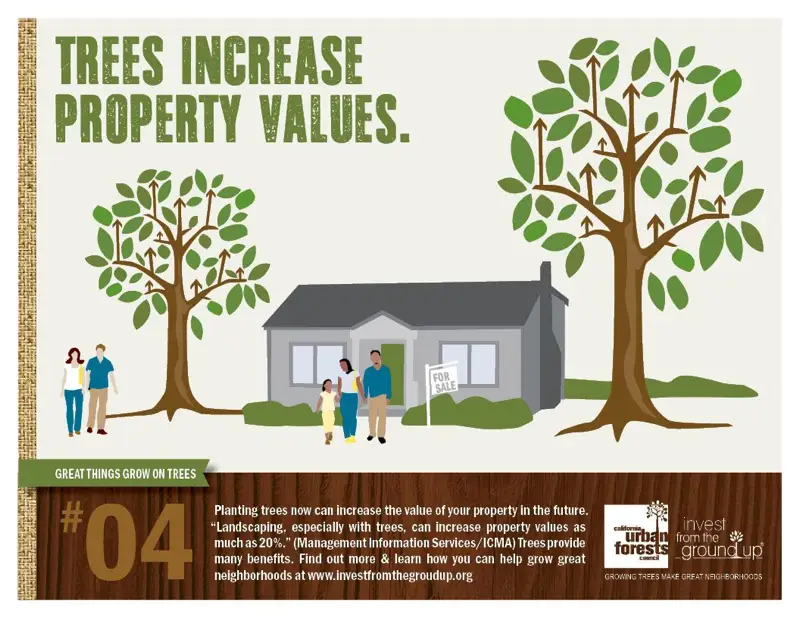
Increasing Property Value: Well-maintained trees enhance the aesthetic appeal of properties, potentially increasing their market value. Regular risk assessments are an investment in the long-term value of your property.
Reducing Costs: Identifying and addressing tree health issues early can prevent costly damage and emergency tree removal services. Proactive risk assessments are a cost-effective approach to tree management.
Common Tree Health Issues Identified During Risk Assessments
Arborists often encounter several common health issues during tree risk assessments. Understanding these problems can help property owners recognize when a professional assessment is needed.
Dutch Elm Disease: This fungal disease affects elm trees, causing wilting, yellowing of leaves, and eventual death if not treated promptly.
Emerald Ash Borer: An invasive beetle that targets ash trees, causing extensive damage and often leading to tree death.
Root Rot: Caused by various fungi, root rot leads to the decay of roots, weakening the tree’s stability and health.
Canopy Dieback: A condition where the upper parts of the tree die off due to disease, drought, or environmental stress.
The Importance of Seasonal Assessments
Tree risk assessments should be conducted regularly, focusing on seasonal changes that can impact tree health.
Spring and Summer: During the growing season, arborists can identify issues such as pest infestations and more prevalent diseases in warmer months.
Fall and Winter: Assessments in these seasons focus on structural integrity, as trees become more vulnerable to damage from storms and heavy snowfall.
Integrating Tree Risk Assessments into Landscape Management Plans
Incorporating tree risk assessments into a comprehensive landscape management plan ensures the health and safety of all trees on a property.
Regular Monitoring: Establishing a schedule for regular assessments helps in the early detection of issues and timely interventions.
Holistic Approach: Combining tree risk assessments with other landscape management practices, such as soil testing and irrigation management, promotes overall tree health. Explore our full range of Tree Health and Maintenance Services to create a customized care plan for your trees.
Community and Public Safety Considerations
Tree risk assessments are vital for public spaces and community areas, as they ensure safety and prevent accidents.
Public Parks: Regular assessments in parks help maintain visitors’ safety and protect the valuable tree assets in these areas.
Street Trees: Trees along streets and highways require frequent evaluations to prevent accidents and damage to infrastructure.
Act Now to Protect Your Trees
Trees add beauty, shade, and value to properties, but they also come with responsibilities. Regular professional tree risk assessments by a certified arborist from American Forestry Services LLC can help you manage these responsibilities effectively. By ensuring the health and safety of your trees, you protect your property, your loved ones, and your investment.
FAQs
What is the main goal of a tree risk assessment?
The main goal is to evaluate trees’ health and stability to identify potential risks to people, property, and the trees themselves.
How often should tree risk assessments be conducted?
It is recommended that assessments be conducted annually, with additional checks after severe weather events or if the tree’s condition changes noticeably.
Can homeowners perform their own tree risk assessments?
While homeowners can conduct basic visual checks, a certified arborist should perform a comprehensive assessment to identify and address risks accurately.
What are some signs that a tree might need a risk assessment?
Signs include visible decay, cracks in the trunk or branches, dead or hanging limbs, and sudden changes in leaf color or density.
How do arborists treat diseased trees?
Treatments vary depending on the disease but may include pruning, applying fungicides or pesticides, improving soil conditions, and, in severe cases, removing the tree.
Does insurance cover tree risk assessments?
This depends on the insurance policy. Some homeowner insurance plans may cover assessments if they are part of routine maintenance or if they prevent further damage.