

Louisiana’s warm and humid climate provides an ideal environment for a diverse array of tree species. However, this same climate also fosters the growth and spread of various tree diseases. Recognizing and managing these diseases is crucial to maintaining the health and beauty of Louisiana’s trees. In this blog post, we will explore the top five tree diseases in the state, detailing how to identify them and outlining prevention measures you can take to protect your trees.

Fungal Leaf Spots
Fungal leaf spots are a common issue in Louisiana due to the state’s conducive climate for fungal growth. These spots, caused by various fungal pathogens, can significantly impact the aesthetic and health of your trees if not managed properly.
Key Takeaways
- Louisiana’s warm, humid climate fuels fungal diseases like leaf spots, powdery mildew, and oak wilt.
- Oak wilt is the most lethal — it kills mature oaks fast and requires early identification plus isolation.
- Root rot and canker diseases often go undetected until structural failure; a certified arborist inspection catches them early.
- Most Louisiana tree diseases are preventable with proper watering, mulching, pruning, and seasonal monitoring.
- Treatment usually means fungicides, pruning of infected limbs, or — in severe cases — removal. Never DIY major decisions on mature trees.
Identification
Fungal leaf spots manifest as small, dark lesions on the leaves. These spots vary in color—from yellow to brown or black—and typically have a distinct border. Over time, multiple spots can merge, resulting in extensive leaf damage and premature leaf drop.
Prevention Measures
To prevent fungal leaf spots:
- Spacing: Ensure adequate spacing between trees to improve air circulation and reduce humidity around foliage.
- Pruning: Regularly prune infected branches and dispose of fallen leaves to minimize disease spread.
- Fungicides: Apply fungicides as recommended by an arborist, especially during wet seasons.
Understanding how to identify and prevent fungal leaf spots can save your trees from unnecessary stress. However, it is also essential to be aware of other prevalent diseases, such as powdery mildew.

Powdery Mildew
Powdery mildew is another frequent problem in Louisiana, thriving in the shady, damp conditions that are typical of the region. This fungal disease can severely affect the growth and overall vigor of trees.
Identification
Powdery mildew presents as a white or gray powdery coating on the surfaces of leaves, stems, and buds. It leads to distorted growth and a weakened tree structure if left untreated.
Prevention Measures
To combat powdery mildew:
- Sunlight: Plant trees in locations that receive ample sunlight to reduce the likelihood of powdery mildew development.
- Watering: Water trees early in the day to allow foliage to dry before evening.
- Resistant Varieties: Select tree species and cultivars resistant to powdery mildew.
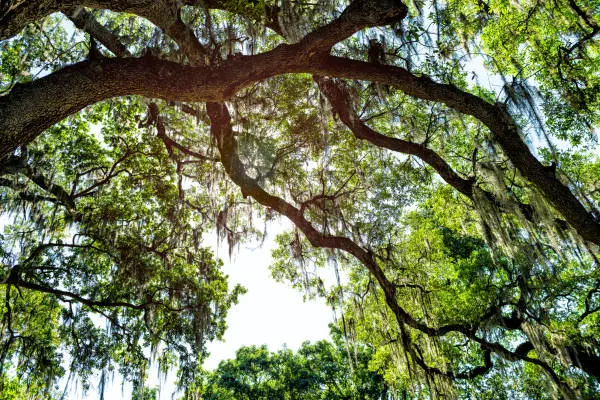
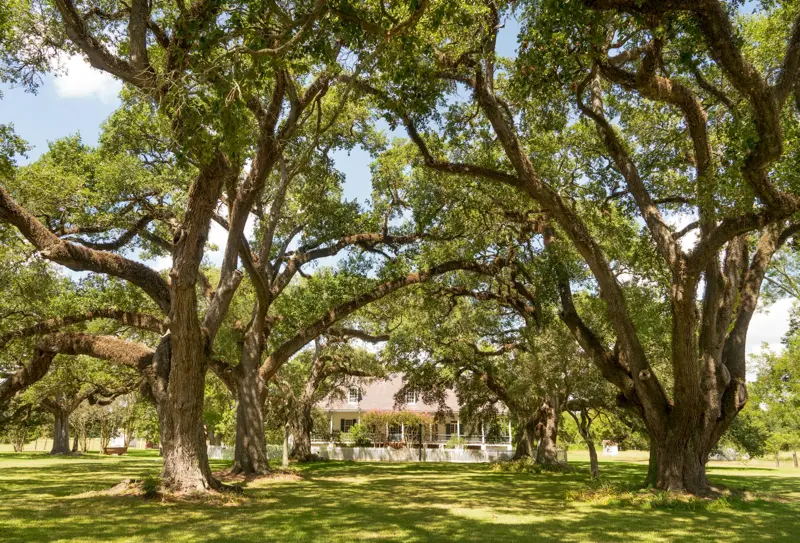
While managing powdery mildew is critical, oak trees in Louisiana face a more severe threat: oak wilt. These iconic trees, such as the majestic oaks of White Castle, represent the beauty and resilience of Louisiana’s natural landscape. Understanding and addressing threats like oak wilt is crucial to preserving these treasures.
Oak Wilt
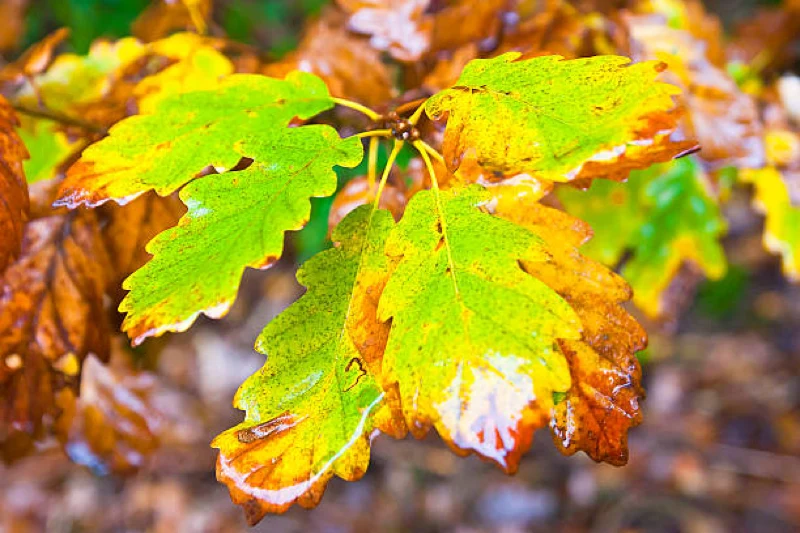
Oak wilt is a devastating fungal disease that primarily affects oak trees. Early detection and management of this disease are vital to preventing widespread tree loss.
Identification
Symptoms of oak wilt include leaf discoloration, wilting, and premature leaf drop. Typically, the leaves exhibit a pattern of browning starting at the edges and moving inward.
Prevention Measures
Preventing oak wilt involves several strategies:
- Sanitation: Avoid pruning oak trees during the spring and summer when the disease is most active.
- Wound Care: Immediately treat any wounds on oak trees with a tree wound dressing to prevent infection.
- Root Barriers: Install root barriers to prevent the spread of the disease through root grafts.
Addressing oak wilt effectively ensures the health of your oak trees. Next, let’s discuss root rot, another serious concern for Louisiana’s tree owners.

Root Rot
Root rot is a condition caused by various fungi that thrive in excessively wet soils. It can lead to significant tree decline if not managed promptly.
Identification
Root rot symptoms include stunted growth, yellowing leaves, and a general decline in tree health. In advanced stages, the roots become soft and decayed, compromising the tree’s stability.
Prevention Measures
To prevent root rot:
- Drainage: Improve soil drainage to prevent waterlogging around tree roots.
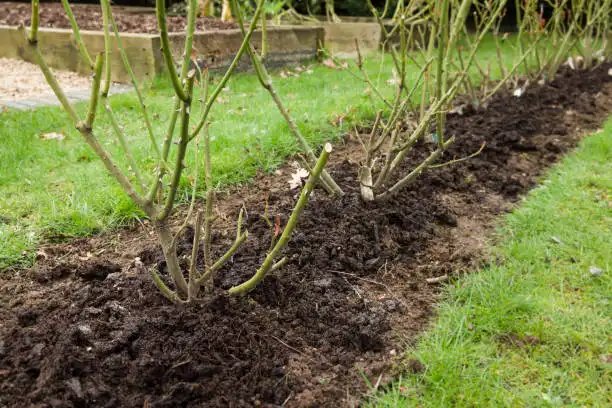
- Mulching: Apply mulch appropriately, keeping it away from the tree trunk to avoid creating a moist environment conducive to root rot.
- Tree Selection: Choose tree species that are well-suited to the local soil conditions and less prone to root diseases.
Lastly, let’s explore canker diseases, which pose a significant threat to the structural integrity of trees.

Canker Diseases
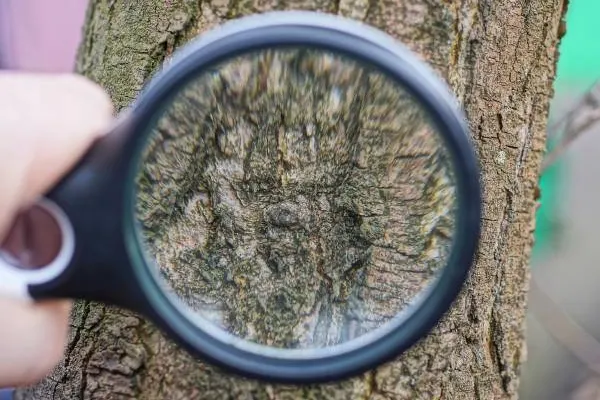
Canker diseases result in sunken, dead areas on the bark or branches of trees. These areas can be discolored and may ooze sap, potentially leading to dieback.
Identification
Canker diseases are identified by sunken, dead areas on the bark or branches. These areas may ooze sap, and as the canker expands, it can girdle branches or trunks, leading to dieback.
Prevention Measures
Preventing canker diseases entails:
- Pruning: Prune out infected branches during dry weather to reduce the risk of spreading the disease.
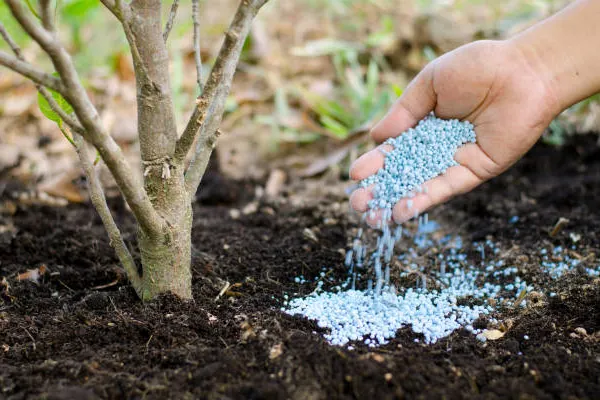
- Tree Health: Maintain overall tree health through proper fertilization and watering practices.
- Avoid Injuries: Prevent mechanical injuries to trees, which can serve as entry points for pathogens.
Preventing canker diseases requires vigilance, but additional, broader strategies can further safeguard your trees.
Additional Tips for Preventing Tree Diseases
- Select Appropriate Trees: To reduce susceptibility to diseases, choose tree species that are well-adapted to the local climate and soil conditions.
- Regular Inspections: Conduct regular inspections of your trees to catch early signs of disease and take prompt action.
- Consult Professionals: When in doubt, consult a professional arborist for advice on tree care and disease management.
Conclusion
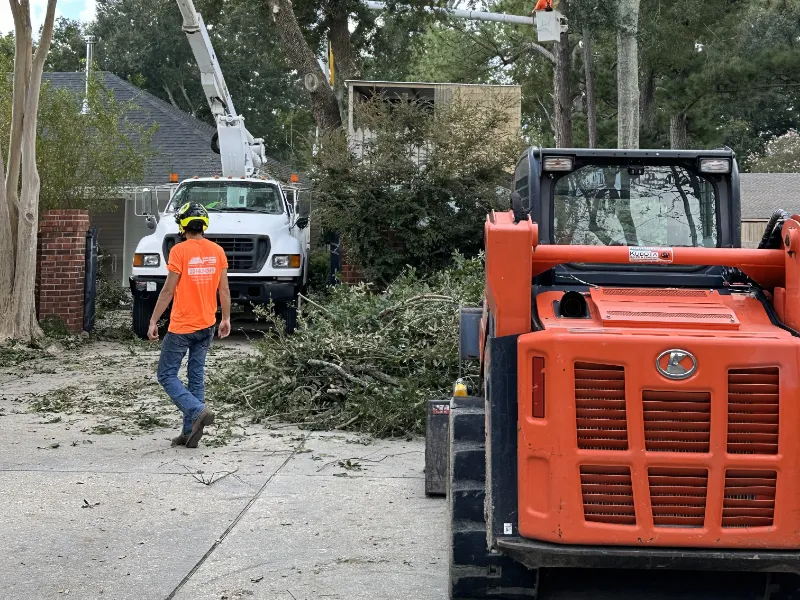
In conclusion, vigilant and proactive maintenance of tree health is essential to preserving the beauty and longevity of Louisiana’s trees. By recognizing the signs of common tree diseases and implementing effective prevention measures, both individuals and arborist businesses can contribute to a healthier, greener environment.
Have you noticed any signs of tree disease on your property? Contact American Forestry Services today for expert consultation and care.
Common Questions About Tree Diseases in Louisiana
These are the questions Louisiana homeowners ask us once they spot the first signs of dieback, unusual leaf drop, or bark damage. The answers cover what to watch for, how fast the diseases spread, and when to call a certified arborist.
What is the most dangerous tree disease in Louisiana?
Oak wilt is the most lethal tree disease in Louisiana. It kills mature oak trees rapidly — often within a single growing season — and can spread through root grafts between adjacent oaks. Live oaks and red oak family members are especially vulnerable. Early identification by a certified arborist plus root-graft isolation is the only effective response.
How can I tell if my oak tree has oak wilt?
Watch for sudden leaf wilting, browning from the leaf tips inward, and rapid leaf drop during the growing season. Live oaks may show a darker veinal pattern as leaves discolor. If you see these signs on an oak in Walker, Livingston Parish, or the Baton Rouge area, call a certified arborist immediately — confirmation usually requires lab testing of a fresh sample.
Can a tree with root rot be saved?
Sometimes, depending on how early it’s caught and how much root structure remains. Soil aeration, improved drainage, and selective pruning of affected limbs can stabilize trees in early stages. Trees with advanced root rot — especially in the buttress roots near the trunk — usually need removal for safety before they topple unexpectedly.
How often should I have my trees inspected for disease in Louisiana?
Most mature trees in the Baton Rouge area benefit from a yearly inspection by a certified arborist, plus an additional check after any major storm or freeze event. Trees showing any unusual symptoms — sudden leaf changes, bark cracks, mushroom growth at the base — should be inspected immediately, not on the regular schedule.
Are tree diseases more common in certain seasons in Baton Rouge?
Yes. Louisiana’s wet spring drives most fungal diseases (leaf spots, powdery mildew, oak wilt). Summer heat plus drought stress weakens tree immune systems. Fall and winter freeze events trigger canker development. Seasonal inspections catch each pattern at the right window for treatment.