
Should You Top Your Trees?
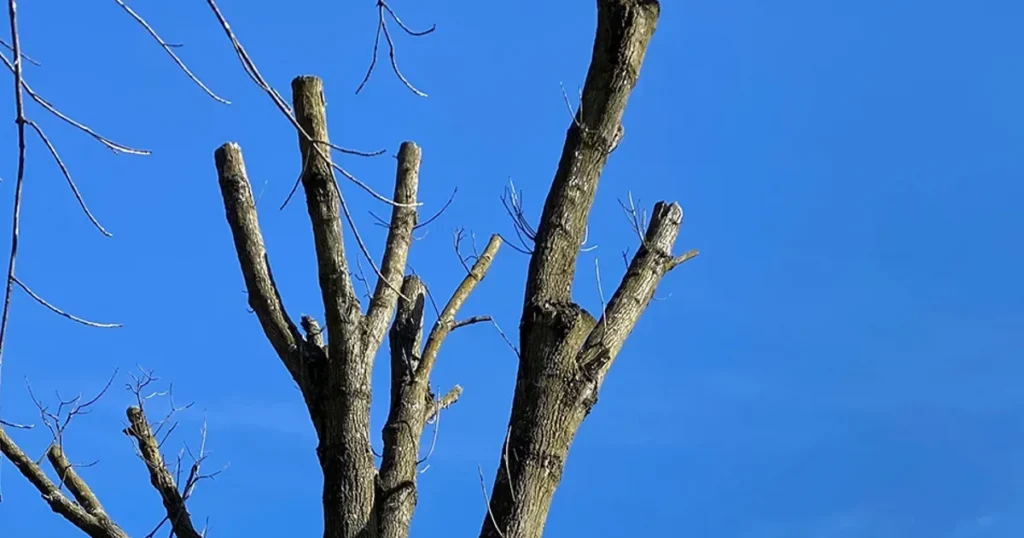
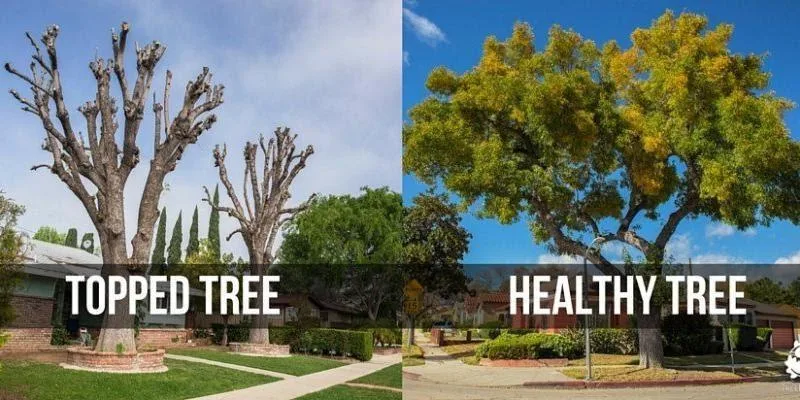
Tree topping, also known as heading, is the practice of cutting the main branches of a tree to stubs or removing the crown entirely. Homeowners often request this for convenience, shade reduction, or aesthetic reasons. However, experts strongly advise against it. Tree topping leads to structural weaknesses, poor growth, and increased risks of disease and infestation.
Key Takeaways
- Tree topping — cutting main branches back to stubs — damages trees structurally and aesthetically; ISA classifies it as malpractice.
- Topped trees grow back with weak, dense regrowth that’s more dangerous in storms than the original tree.
- Homeowner reasons for topping (shade, size, view) are better addressed by crown reduction, selective thinning, or — if truly wrong for the space — removal.
- Topping creates entry points for disease and decay; topped trees often die within 5–10 years from causes that wouldn’t have killed an un-topped tree.
- Hire a certified arborist for any major canopy work — they can solve almost any “tree is too big” problem without topping.
Key Information About Tree Topping
| Aspect | Details |
| What Is Tree Topping? | Cutting the main branches of a tree to stubs or removing the crown entirely. |
| Common Misconceptions | Encourages growth (false), reduces shade effectively (false). |
| Risks Involved | Structural weaknesses, vulnerability to pests and diseases, and increased maintenance costs. |
| Professional Advice | Always consult a certified arborist for proper tree care. |
| Alternatives | Selective pruning, canopy thinning, or relocating plants requiring full sun. |
| Reference | International Society of Arboriculture |

Why Tree Topping Is Not Beneficial
Tree Topping Does Not Reinvigorate the Tree
A common misconception is that topping stimulates growth. When a tree is topped, it loses its food production capability. The tree responds by producing weak, poorly structured shoots to restore its energy. This process drains the tree’s resources, leaving it vulnerable to pests and diseases. The regrowth often requires more frequent trimming, making it a costly cycle.
It Does Not Effectively Reduce Shade
Topping a tree for shade reduction is counterproductive. Instead of evenly thinning the canopy, it creates uneven, uncontrolled regrowth that worsens shade issues. Certified arborists recommend selective pruning to open up the canopy while maintaining the tree’s structural integrity. Proper pruning improves sunlight penetration without damaging the tree.
The Risks of Regularly Topping Trees
Topping weakens trees over time. Each topping cycle stresses the tree, leading to brittle branches that break easily. This creates safety hazards for people and property nearby. Over time, the tree’s health and structural integrity are compromised, leading to increased maintenance costs and potential removal. Proper tree care practices, like routine pruning by professionals, reduce these risks significantly and ensure the long-term health and beauty of your trees.
Winter storms can amplify these risks, especially for weakened trees. Learn how to handle storm-related issues in our article, Winter Tree Emergencies: When to Call a Professional, for expert advice on keeping your trees and property safe during harsh weather.
Weak Branch Structure
Topping disrupts a tree’s natural growth pattern. The resulting shoots are poorly anchored and prone to breaking under stress. These weak points often become entryways for pests and diseases, further endangering the tree’s health.
Why Old Practices Don’t Hold Up
Many people argue for tree topping based on tradition. Family members may have topped trees in the past, believing it was the best method. However, research and arboriculture advancements prove otherwise. Modern tree care techniques prioritize health, longevity, and safety.
Alternatives to Topping Your Trees
Selective Pruning
Selective pruning involves removing specific branches to achieve a balanced shape and desired sunlight penetration. This method supports the tree’s health while addressing property needs. A certified arborist can guide you in achieving the right balance.
Canopy Thinning
Thinning involves trimming the upper branches to allow more light through the canopy. It reduces wind resistance and ensures the tree remains structurally sound. Unlike topping, thinning preserves the tree’s natural form.
Planting Considerations
For areas where full sunlight is essential, consider planting sun-loving species away from trees. This avoids the need for drastic measures like topping.
Working With Certified Arborists
Professional tree care companies employ certified arborists trained to handle trees safely and effectively. These arborists have undergone rigorous training and testing to ensure they have the knowledge and skills to care for trees. Always verify the arborist’s certification to ensure proper practices are followed. Arborists can identify structural issues, recommend the best pruning methods, and help you maintain a healthy landscape. Their expertise is invaluable in ensuring the health and beauty of your trees.
What To Look For in a Tree Care Company
- Certified arborists with verifiable credentials.
- Positive reviews and referrals from local customers.
- Transparency in services and practices.
- Ethical refusal of harmful practices like topping.
Closing Thoughts on Tree Topping
While the practice may seem like an easy fix, topping poses significant risks to your trees, property, and wallet. Selective pruning, canopy thinning, and professional advice from certified arborists are the best ways to effectively manage tree health and landscape aesthetics. 🌲

Protect Your Trees Today – Consult a Certified Arborist for Expert Care!
Ready to ensure your trees thrive for years to come? Don’t leave their care to chance—connect with American Forestry Services today! Fill out the form below to work with certified arborists who specialize in tailored solutions for your unique landscape needs. Whether you’re safeguarding your property, optimizing sunlight, or preserving the natural beauty of your trees, our experts are here to provide guidance and care you can trust. Take the first step toward a safer, healthier, and more beautiful outdoor space—contact us now!
Common Questions About Tree Topping
Homeowners frequently ask us about topping after a neighbor or door-knocking crew offers to ‘shape up’ their trees. The answers below cover why topping is rejected by every major arborist standard and what to ask for instead.
Is tree topping bad for trees?
Yes. The International Society of Arboriculture (ISA) classifies tree topping as malpractice. Topping forces a tree to grow weak, water-sprout regrowth that’s more prone to failure than the original branches were. It also creates large open wounds that invite disease and decay. Almost every reputable certified arborist will refuse to top a tree.
What’s the alternative to topping a too-tall tree?
Crown reduction or selective thinning — both of which a certified arborist can do safely while preserving the tree’s structural integrity. If the tree is genuinely wrong for its location (e.g., planted under power lines), full removal and replacement with a better-fitting species is the right answer. Topping is never the right answer.
Can a topped tree be saved?
Sometimes, depending on how recently it was topped and how much canopy remains. A skilled arborist can perform restoration pruning over several years to redirect growth into structurally sound replacement branches. Severely topped trees with decay already established usually can’t be saved long-term and should be planned for removal before they fail.
Why do some companies still top trees if it’s bad?
A few reasons: low-cost crews chasing volume work; companies without certified arborists on staff; homeowner requests that the company doesn’t push back on. The ISA Certified Arborist credential exists specifically to professionalize the field — companies that employ certified arborists almost never top trees because their professional standards prohibit it.
How long does a topped tree usually live?
Often 5–10 years post-topping, though it varies by species and severity. Topped trees decline more from secondary problems — decay entering through the topping wounds, fungal infections, weak regrowth failing in storms — than from the topping cut itself. They’re also dangerous well before they die, since the weak regrowth fails unpredictably.